
Property Insurance Claims · Florida
Denied. Delayed. Underpaid. Understand what comes next.
A Florida law firm focused exclusively on representing homeowners and businesses in denied, delayed, and underpaid property insurance claims.
Free initial consultation, no obligation.

2020
Licensed to practice in Florida
South Florida
Based in South Florida, serving all of Florida
Direct Access
Every case gets reviewed by our attorneys
5.0 ★
Verified 5-Star Reviews on Google
Every category the firm reviews.
Roof and Wind
Age versus storm, matching, interior water intrusion.
Water Damage
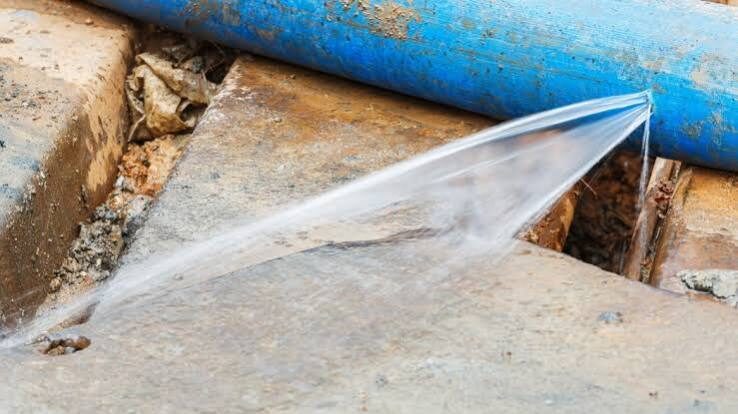
Plumbing failures, sudden discharges, interior water.
Hurricane and Storm
Named storms, wind, and disputed causation between wind and flood.
Mold Damage
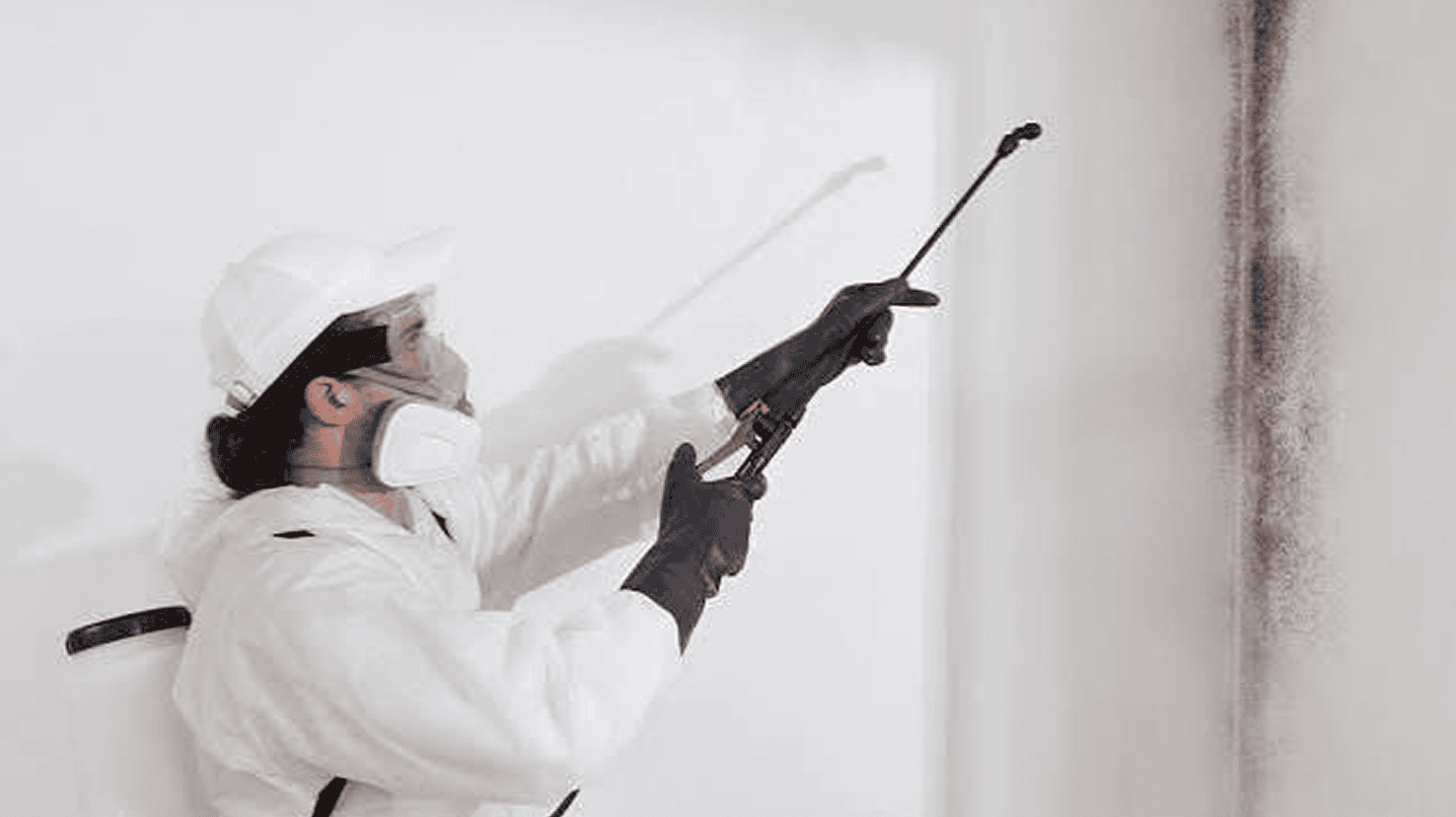
Often overlooked. A common secondary issue in Florida water claims.
All 8 Types of Damage
Hail, fire, commercial, condo/HOA, and more.
From loss to resolution.
1
Loss
Document the damage with photos and video as soon as it's safe, before any repairs begin.
2
Report the Claim
Notify the insurance company and check the policy for any notice deadlines.
3
Information Request
The insurer may ask for photos, repair estimates, and a sworn proof of loss.
4
Property Inspection
An adjuster is typically sent to inspect and document the damage in person.
5
Coverage Decision
The insurer may issue a payment, partial payment, denial, or other coverage decision based on its investigation and policy position.
6
Examination Under Oath, When Applicable
In some claims, the insurer may request a recorded, sworn statement about the loss and claim.
7
Review Your Options
If the decision doesn't reflect the damage, a legal review can clarify what's next.
Not sure where your claim stands?
Tell us what happened and where the claim stands. A short note is enough to start.
Start with what you recognize.
These are the three most common outcomes once a decision is issued.
Denied
The claim was denied in whole or in part. The reason cited is not always the reason driving the decision.
Underpaid
Payment was made, but it does not match the scope of damage or the real cost of repair.
Delayed
The file keeps moving without a decision. The property continues to deteriorate.
Documentation is what allows the record to speak for itself.
Photographs of the damage, taken early and again as the situation develops. Correspondence with the insurer, kept together. A simple timeline of who said what, and when.
A few that come up most.
Start by reading the denial letter closely, the cited reason isn't always the full picture. Gather your policy, photos, and any correspondence with the insurer, and consider a legal review before accepting the decision as final.
Florida law sets specific deadlines for insurers to acknowledge, investigate, and pay or deny many property insurance claims. The exact timeline can depend on the type of claim, when it was reported, and other circumstances, so the current law and policy should be reviewed for the specific situation.
Underpayment usually comes down to scope, valuation, or depreciation, the insurer's estimate leaves out damage, prices it too low, or depreciates it more than the actual repair cost reflects.
Replacement cost pays what it actually costs to repair or rebuild. Actual cash value subtracts depreciation first, which often means a smaller payout. Your policy type changes what a fair settlement looks like.
Not always. Many claims resolve without one. Legal review tends to help when a denial is hard to follow, the payment gap is significant, or the file has been open long enough that the property is deteriorating.
Eduardo M. Pimentel, P.A. represents homeowners and businesses throughout Miami-Dade and statewide in Florida for denied, delayed, and underpaid property insurance claims. A short note about what happened is enough to start a review.
What clients have said.
Next step
Not sure where you fit? Start with what happened.
A short note about the loss and where the claim stands is enough to get started.
Public adjuster, roofer, or attorney with a client who needs a legal review?